

|
|
Local Marine Life

| |
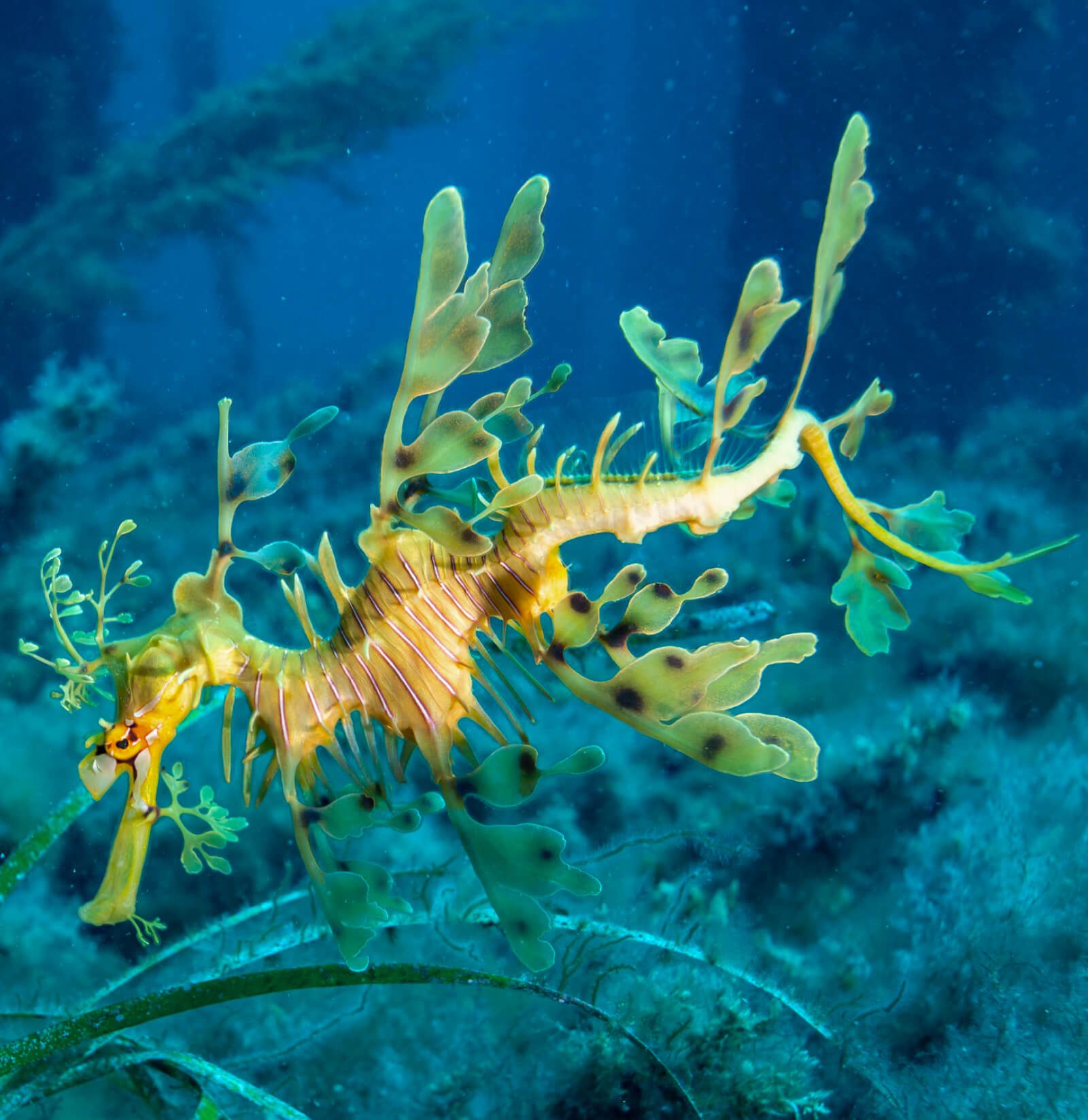
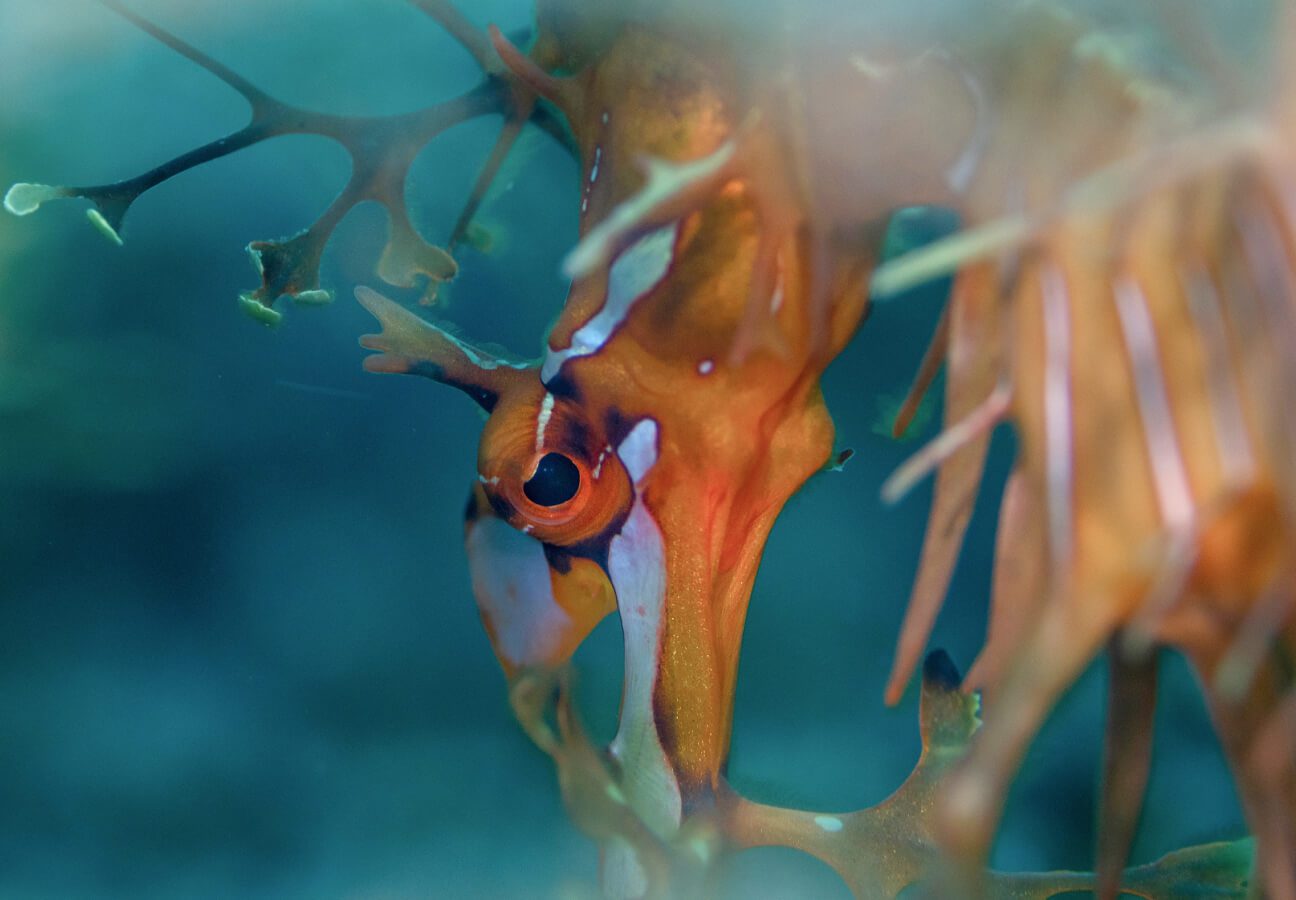
Leafy Sea dragon Phycodurus eques The Leafy Sea dragon, Phycodurus eques, is a marine fish related to the seahorse. It is the only member of the genus Phycodurus. These creatures are found around southern and western Australia. The name is derived from the appearance, with long leaf-like protrusions coming from all over the body. These protrusions are not used for propulsion; they serve only as camouflage. The leafy sea dragon propels itself by means of a pectoral fin on the ridge of its neck and a dorsal fin on its back closer to the tail end. These small fins are almost completely transparent and difficult to see as they undulate minutely to move the creature sedately through the water, completing the illusion of floating seaweed. As the South Australian Marine Emblem, the Leafy Sea dragon is a prized find for most scuba divers. If you enjoy underwater photography this is a superb candidate for spectacular images. | | | | 
| | Weedy Sea dragon Phyllopteryx taeniolatus The Weedy Sea dragon or Common Sea dragon is a marine fish related to the seahorse. It is the only member of the genus Phyllopteryx. It is found in water 3 to 50 metres deep around the southern coastline of Australia, approximately between Port Stephens, New South Wales and Geraldton, Western Australia, as well as around Tasmania. Weedy Sea dragons are named for the weed-like projections on their bodies that camouflage them as they move among the seaweed beds where they are usually found. Weedy Sea dragons can reach 45 cm in length. They feed on tiny crustaceans and other zooplankton, from places such as crevices in reef, which are sucked into the end of their long tube-like snout. They lack a prehensile tail that enables similar species to clasp and anchor themselves. Phyllopteryx taeniolatus swim in shallow reefs and weed beds, and resemble drifting weed when moving over bare sand. Sea dragons, Seahorses and Pipefish are the only known species where the male carries the eggs. The male of the species carries the fertilized eggs, attached under his tail, where they are incubated for about eight weeks. The young are independent at birth, beginning to eat shortly after. Mating in captivity is rare since researchers have yet to understand what biological or environmental factors trigger them to reproduce. In captivity the survival rate for weedy sea dragons is about 60%. A more cryptic relative of the weedy sea dragon is the Leafy Sea dragon. | | | | 
| | Nudibranches Nudibranches are basically, sea slugs. As all other gastropods, they are slow moving bottom dwellers. They have soft bodies and most of them lack an external protective shell. Their secondary gills are exposed outside, as reflected by their neo-latin/greek name "nudibranches" meaning "nude/naked gills". Some Nudibranches have numerous body projections (called "cerata") increasing the overall body surface and enhancing breathing. Nudibranches carry a pair of horn-like cephalic tentacles or "rhinophores" at the front, which are used primarily as chemosensory organs (sensing chemicals). Finding a new Nudibranch is always a very special and exciting moment. Nature's boundless creativity, that produced these unpredictable forms and color patterns, keeps surprising and stimulating your imagination. Fortunately these animals are so diverse, that there is little risk that you will see all of them. Different species of Nudibranches can be found at many of the dive sites throughout South Australia including very large specimens, nearly 4 inches long, commonly found crawling on the hull of the wreck, the ‘South Australian’ also known as the ‘Dredge’ just off the coast of Glenelg. | | | | 
| | Blue Ringed Octopus Hapalochlaena maculosa The Southern Blue-ringed Octopus is one of 3 (or perhaps 4) species of blue-ringed Octopuses. It is most commonly found in tidal rock pools along the south coast of Australia. An adult can grow up to 20 centimeters long (top of the mantle to the tip of the tentacles) and on average weighs 26 grams. When it feels threatened, small fluorescent blue spots appear over its body. This amazing creature can often be seen during night dives as they cruise the sea floor searching for a meal. The Octopus is highly venomous and the best protection against Blue-ringed Octopus’ bites is to avoid contact at all times. | | | | | | Sand Octopus Octopus kaurna A moderate-sized elongate octopus with an arm span that reaches around 50 cm. The body is elongate, stretched into a long thin cylinder in some postures. The arms are long and narrow reaching fine points. They are around four times the body length, each with two rows of suckers. The webs are fairly short. The colour is generally pale orange to maroon red. This octopus lives on sand substrates in coastal waters to depths of around 50 metres. It emerges at night to forage over the sand for small crustaceans by probing its thin arms down burrows and holes. During the day it buries deep in the sand, forming a burrow with a chimney to the surface. There is a large specimen commonly seen amongst the rocky reef under the Edithburgh Jetty. | | | | 
| | Giant Cuttlefish Sepia apama The Giant Australian Cuttlefish is found in waters from less than a metre deep to probably around 100 m off Southern and eastern Australia. The Australian Giant Cuttlefish (a solitary creature) is by far the biggest type of cuttlefish growing up to a length of 1 metre and up to 5 kg. They have a big flat broad head with 2 large eyes with 8 tentacles (arms) and 2 extendable feeding tentacles emerging from the head. The 2 feeding tentacles which are used for feeding retract into pouches between the bases of the third and fourth arm pairs. Along their sides they have thin fins and breathe like fish through their gills. Internally they have a spongy chalklike internal shell (cuttlebone) which gives the body its shape. The cuttlefish have three hearts, which pumps blue blood throughout their bodies. Every year between the months of May and August, thousands of Giant Australian Cuttlefish (sepia apama) descend on South Australia’s rocky coastline between Fitzgerald Bay and False Bay on the Eyre Peninsula. The migration by these majestic creatures to these waters is for the sole purpose of spawning. During these months, the female attaches her eggs to the underside of the rocky ledges around the area. The male then fertilizes these eggs, which hatch a couple of months later. The males can only reproduce once, and the females die not long after. | | | | 
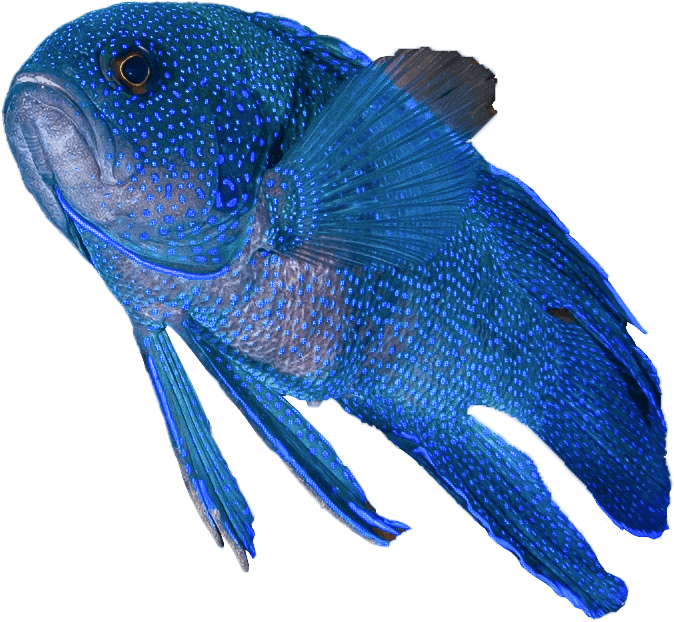
| | Lined Dumpling Squid (also known as Pyjama Squid) Sepioloidea lineolata The Striped Pyjama Squid (Sepioloidea lineolata) is a cuttlefish native to the southern Indo-Pacific; it occurs off eastern, southern and western Australia. The species is found on sand and amongst sea grass in waters up to 20 metres in depth. S. lineolata is small and rounded in appearance. It grows to 50 mm in mantle length. The arms are short and webbed. Thin dark brown longitudinal stripes cover the entire body, which has a cream background. The eyes protrude from the mantle and have an orange upper lid. The overall appearance resembles a dumpling; another common name for this species is the Striped Dumpling Squid. Together with blue-ringed octopuses and Pfeffer's Flamboyant Cuttlefish, S. lineolata is one of the few cephalopods that are known to be poisonous. These cute little critters can often be found at Edithburgh Jetty, quite often at night but also during the day if you keep your eyes out. | | | | | | Warty Anglerfish Aetapcus maculatus Hand fishes are anglerfishes in the genus Brachionichthys, the only genus in the family Brachionichthyidae. They are small (up to 15 cm) bottom-dwelling marine fishes found in coastal waters of southern Australia and Tasmania. Their skin is covered with tooth-like scales, giving them the name Warty Anglers. They use their pectoral fins to walk about on the sea floor. These highly modified fins have the appearance of hands, hence their scientific name, from Latin bracchium meaning "arm" and Greek ichthys meaning "fish". Like other anglerfishes, they possess an illicium, a modified dorsal fin ray above the mouth, but it is short and does not appear to be used as a fishing lure. The second dorsal spine is joined to the third by a flap of skin, making a crest. These creatures require a good eye to discover them during a dive. A prized image for underwater photographers. They are regularly seen at sites including Port Hughes and Edithburgh. | | | | | | Western Blue Devil Paraplesiops meleagris The Western Blue Devil also known as the Southern Blue Devil Fish is immediately recognizable by the iridescent blue spots densely packed over the body. It occurs commonly at many of South Australia’s dive sites. They generally shelter in and around rocky reef systems to a maximum depth of approx 45 metres. When observed underwater the species shows little fear of divers but retreats slowly into a refuge, generally either a ledge or a cave. | | | | 
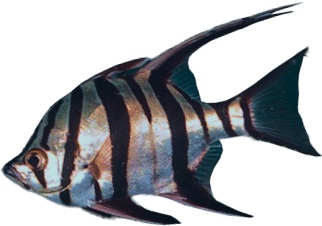
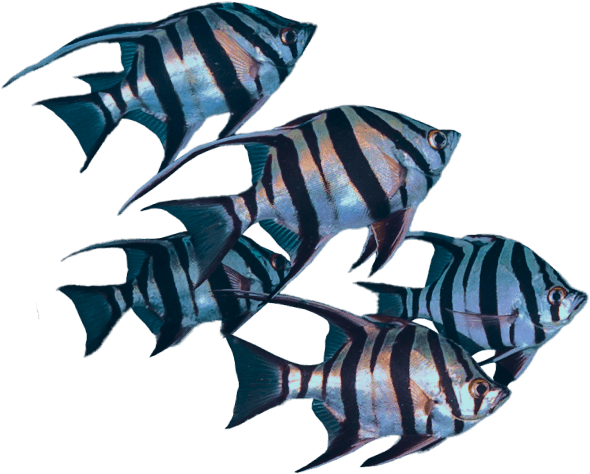
| | Old Wife Enoplosus armatus Originally classified with the butterfly fishes, it has a similar deep and compressed body but is easily distinguished by its silver-and-black zebra-striped coloration, and by its two prominent dorsal fins, the second of which is very long, sickle-shaped, and has poisonous spines. It grows up to 50 cm long. A fisherman's name, Old wife, refers to the sound it makes when caught, caused by it grinding its teeth. The vernacular names include Bastard dory, derived from the French dore (golden), and Zebra-tail or -fish. The first description of the species in 1790, one of the earliest of an Australian fish, was by John White in Journal of a voyage to New South Wales. His description as Chaetodon armatus (The Long-Spined Chaetodon) was as follows: Whitish Chaetodon, with seven black stripes on the body. Six spines on the dorsal fin, the third very long. This appears to be a new and very elegant species of the genus Chaetodon. The total length of the specimen was not more than four inches. The colour a silvery white, darker, and of a bluish tinge on the back; the transverse fasciae, or bands, of a deep black; the fins and tail of a pale brown. The third ray or spine of the first dorsal fin is much longer than the rest. | | | | | | Yellowtail Kingfish Seriola lalandi lalandi The Yellowtail Kingfish or Southern Kingfish is a subspecies of yellowtail amberjack, they are found off south eastern Australia. Very little is known of the kingfish’s biology, including their habitat preferences throughout juvenile life stages, migration patterns and wild reproductive behavior. Maximum length is often reported to reach up to 180 cm. Kingfish have been established as a suitable candidate for marine based aquaculture. The Japanese have been culturing the Japanese Yellowtail for many years with recent efforts in South Australia concentrating on the local kingfish species. Yellowtail Kingfish are often seen during safety stops on sites including Stanvac Barges, The Lumb and The MV Seawolf. | | | | | | Magpie Perch Cheilodactylus nigripes The Magpie Perch can be found off Southern Australia from shallow reef systems to deep ocean depths. Its length is between 30 and 50 cm. They are often seen at most dive sites around South Australia particularly Port Noarlunga Reef and Marino Rocks. | | | | 
| | Eastern Blue Groper Achoerodus viridis The Eastern Blue Groper is a member of two similar species of fish found in the coastal waters of southern Australia, distinguished by the bright blue colouring of the adult males. The Eastern Blue Groper (Achoerodus viridis) is found from Hervey Bay in southern Queensland to Wilson's Promontory in Victoria. Despite their name, they are not groupers, but wrasses (family Labridae). The thick bodied Blue Gropers have peg teeth, heavy scales, a large tail and thick lips. Juveniles are brown to green brown. Adult females are brown to reddish-brown. Each scale may have a darker red spot. The adult males have the bright blue colouring that gives the fish their name. The blue can range from deep navy to cobalt blue, and there may also be darker or yellow-orange spots or lines around the eyes. All blue gropers begin their life as females. As they mature, the go through an initial phase, in which they may be male or female, before developing their adult colouring and reaching the terminal phase. Eastern Blue Gropers have been known to grow to 1.2 metres (4 ft) in length and weights of 22 kilograms, although fish over 15 kg are rare. The western species is larger, reaching 1.6 m and 40 kg. The fish live in a variety of coastal waters, especially exposed reefs. The Eastern species can be found from the shallows up to 40 m deep. They feed on invertebrates such as sea urchins, crabs and mussels. For the eastern species, spawning occurs from July until October, in estuarine sea grass beds, where the juveniles are usually found. Eastern Blue Gropers can occasionally be seen around the Second Valley headland. | | | | | | Ornate Cowfish Aracana ornate The Ornate Cowfish can be found on sheltered sea grass beds, rocky reef and around some of South Australia’s jetties. Their distribution is from Esperance, Western Australia to Victoria and Tasmania. Their maximum length is an average 150mm. They are a very attractive fish with blue centered black and white spots scattered amongst yellow stripes. The Cowfish can also be identified by the narrow spines on their back and prominent bump in front of the eye. | | | | 
| | Bottlenose Dolphin Tursiops truncates Tursiops truncatus, commonly known as the Common Bottlenose Dolphin, is the most well-known species from the family Delphinidae. It is the most familiar dolphin due to the wide exposure it receives in captivity in marine parks, dolphinarias, in movies, and television programs (e.g. Flipper). T. truncatus is the largest species of the beaked dolphins. It inhabits temperate and tropical oceans throughout the world, and is absent only from polar waters. The bottlenose dolphin previously known as T. truncatus, but recently the genus has been split into two, T. truncatus and T. aduncus. Although this species has traditionally been called the Bottlenose Dolphin, many authors have used the name Common Bottlenose Dolphin for this species since a second bottlenose dolphin species, the Indo-Pacific Bottlenose Dolphin, was described. The Common Bottlenose Dolphin inhabits warm and temperate seas worldwide. Considerable genetic variation has been described among members of this species, even between neighboring populations, and so many experts believe that there may be multiple species included within Tursiops truncatus. The Common Bottlenose Dolphin is grey in color and can be between 2 and 4 metres (6.6 and 13 ft) long, and weigh between 150 and 650 kilograms (330 and 1,400 lb). Males are generally larger and heavier than females. In most parts of the world the adult's length is about 2.5 metres (8.2 ft) with weight ranges between 200 and 300 kilograms (440 and 660 lb). Occasionally Dolphins are seen underwater and will spend a short time interacting with divers. Quite often when scuba diving with the Giant Cuttlefish at Whyalla, Dolphins will be present and add an exciting experience for divers. | | | | 
| | Port Jackson Shark Heterodontus portusjacksoni The Port Jackson Shark is a nocturnal, oviparous type of bullhead shark of the family Heterodontidae, found in the coastal region of southern Australia, including the waters off Port Jackson. It has a large head with prominent forehead ridges and dark brown harness-like markings on a lighter grey-brown body. Port Jackson Sharks can grow up to 5.5 ft (1.67 m) long. The Port Jackson Shark is a migratory species, traveling south in the summer and returning north to breed in the winter months. They feed on hard-shelled mollusks, crustaceans, sea urchins, and fish. They are commonly seen at many of our local shore diving sites including Second Valley, Port Noarlunga and Edithburgh. The Port Jackson Shark is a very timid animal generally moving away from approaching divers. | | | | 
| | Great White Shark Carcharodon carcharias The Great White Shark, Carcharodon carcharias, also known as Great White, White Pointer or White Shark is an exceptionally large lamniform shark found in coastal surface waters in all major oceans. Reaching lengths of more than 6 metres (20 ft) and weighing up to 2,240 kilograms (4,938 lb), the Great White Shark is arguably the world's largest known predatory fish. It is the only surviving species of its genus, Carcharodon. The Great White Shark is a protected species as their numbers are decreasing worldwide; they are rarely seen in our local waters. Adelaide Scuba works closely with Rodney Fox Shark Experience and organises regular Shark Expeditions to cage dive with these incredible animals. | | | | 
| | Southern Australian Black Cowry Cypraea friendii thersites All cowry shells belong to the family Cypraeidae and various members of this family have been utilized down through the centuries by many tribes, nations and countries as having a monetary value. Trading in them has been traced back over 40,000 years. Fossilized examples date back to over 140,000,000 years and today there are around 200 species inhabiting world seas. The majority of these are tropical of origin and inhabit the Indo-Pacific region. The basic shell is highly polished and generally high-domed with individual colour patterns for each species. It is the very shiny shell and beautiful colours and patterns that have intrigued humans for thousands of years. In some cultures a rare species has been given high status to be used as adornments by chiefs and people of high status. The Black Cowry can sometimes be seen during night dives at sites including Edithburgh and Port Noarlunga Reef. | | | | | | Green lip Abalone Haliotis laevigata Abalone (from Spanish Abulón) are medium to very large-sized edible sea snails, marine gastropod mollusks in the family Haliotidae and the genus Haliotis. Common names for abalones also include Ear-Shells, Sea-Ears and Venus's-Ears, as well as Muttonfish or Mutton shells in Australia, Ormer in Jersey and Guernsey, Perlemoen in South Africa and Pâua in New Zealand. There is only the one genus in the family Haliotidae, and about four to seven subgenera. The number of species recognized worldwide is about 100. In South Australia the 2 main species are the Black lip and the Green lip Abalone. The shells of Abalones have a low and open spiral structure, and are characterized by several open respiratory pores in a row near the shell's outer edge. The thick inner layer of the shell is composed of nacre or mother-of-pearl, which in many species is highly iridescent, giving rise to a range of strong and changeable colors, which make the shells attractive to humans as decorative objects, and as a source of colorful mother-of-pearl. The flesh (the adductor muscle) of Abalones is widely considered to be a desirable food. | | | | 
| | Blue Swimmer Crab Portunus pelagicus Blue Swimmer Crabs are swimming crabs and they have their last pair of legs modified as swimming paddles. Their carapace is rough in texture. It is very broad and has a prominent projection on each side. The crab’s claws are long and slender. Blue Swimmer Crabs vary in colour from brown through blue to purple with pale mottling. Blue Swimmer Crabs are widely distributed throughout the Indo-West Pacific region from east Africa to Japan, Tahiti and northern New Zealand. They are also present in the Mediterranean Sea. In Australia, Blue Swimmer Crabs inhabit coastal waters from the south coast of New South Wales, up and around to Perth in Western Australia. They are common along the South Australian coastline and are often seen at many of our local dive sites. They live in a wide range of inshore and continental shelf areas, including sandy, muddy or algal and sea grass habitats from the intertidal zone to at least 50 metres in depth. They move to deeper water as they age and in response to changes in water temperature and inshore salinity. Blue Swimmer crabs are active swimmers, but when they are inactive they usually bury themselves in the bottom sediment, leaving only their eyes, antennae and gill chamber opening exposed. | | | | 
| | Southern Rock Lobster Jasus edwardsii Jasus edwardsii, the southern rock lobster, red rock lobster, or spiny rock lobster, is a species of spiny lobster found throughout coastal waters of Southern Australia. Southern Rock Lobsters are both carnivorous and filter feeders. They live in and around rocky reefs at depths ranging from 5 to 275 metres deep at the continental shelf. They can be dark red and orange above with paler yellowish abdomens or grey-green brown with a paler underside. The more tropical species such as the Painted Crayfish tend to have brighter colours. Rock lobsters crawl on the bottom or swim backwards by flexing their tail sharply from extended to beneath the body. Their antenna are sensitive to water vibrations and, where active fisheries exist, they are quite timid and quick to withdraw further into their den. Otherwise they are relatively active ocean-bottom explorers and feed on almost anything that they come across without fear of most predators. Females carry their eggs externally under their tails and normal practice is not to harvest females while they are carrying eggs. The rock lobster has among the longest larval development known for any marine creature. The phyllosoma (Greek for leaf-like) larvae spend close to two years in oceanic waters before metamorphosing to the postlarval stage, known as the puerulus, which then swims towards the coast to settle. | | | | | | | | | | | | |
|
|